
Blog
 Comparison
Best AI for Direct Procurement (2026)
The AI tools that actually handle direct procurement in 2026: BOM-level RFQs, quote extraction, supplier follow-up, and PO tracking. Most 'AI procurement' software isn't built for this. Here's what is.
Read More Automation
AI Purchase Orders: The Hard Part Starts After the PO Is Sent
Most manufacturers do not have AI running their purchase orders. The real opportunity is not PO generation. It is the follow-through after the PO is sent.
 Insight
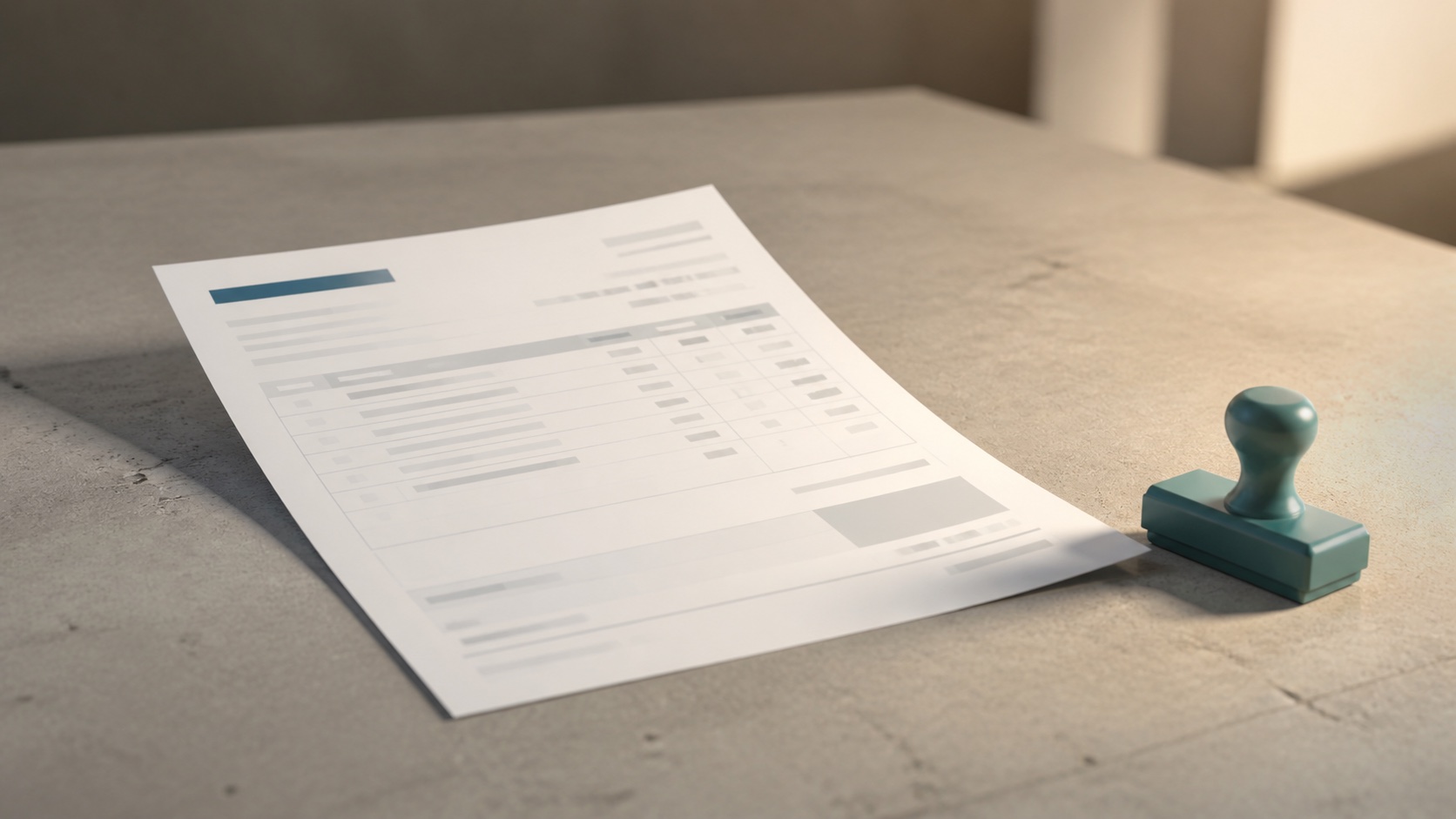
Purchase Order Acknowledgment: The Step Most Suppliers Skip
A purchase order acknowledgment confirms your supplier accepted the price, quantity, and date. Most direct materials POs never get one. Here's why.
 Guide
GuideDynamics 365 Procurement Automation: What It Handles and What Still Runs on Email
Dynamics 365 procurement automation handles requisitions, PO release, and a vendor portal. It doesn't run RFQs over email or read a supplier's reply. Here's the line.
 Comparison
AI Purchase Order Management Software (2026): What Actually Works
A buyer's look at AI purchase order management software in 2026: which tools actually track POs after they're placed, which need supplier portals, and which just digitize the paperwork.
 Insight
Procurement vs Purchasing vs Sourcing: What's Actually Different
Procurement vs purchasing vs sourcing get used interchangeably, but they're three different jobs. Here's how they actually split, and where the real work hides.
 Insight
RFI vs RFP vs RFQ: When to Use Each (And When to Skip One)
RFI vs RFP vs RFQ: an RFI gathers capabilities, an RFP asks for a solution, an RFQ asks for a price. Here's when each one actually fits, and where teams get it wrong.
 Automation
The Procurement Team of 2030: What's Changed, What Stays Human
The procurement team of 2030 won't be bigger, it'll be smaller and sharper. A thesis on which work disappears and which stays human.
 Insight
Customs Enforcement Just Got Teeth: What the New Penalty Floor Means for Procurement
A new 50% penalty floor on customs violations just made a wrong HTS code expensive. Here's what direct procurement teams should check this week.
 Comparison
Procurement Software for Manufacturers: What Actually Works in 2026
Most procurement software on page 1 of Google is built for indirect spend. Here's how manufacturers buying direct materials should actually read the market in 2026.
 Guide
GuideSAP Procurement Automation: What MM Covers and What Still Runs on Email
SAP automates PO creation, release strategies, and MRP. It does not send RFQs, read supplier emails, or chase confirmations. Here's where the line actually sits.
 Guide
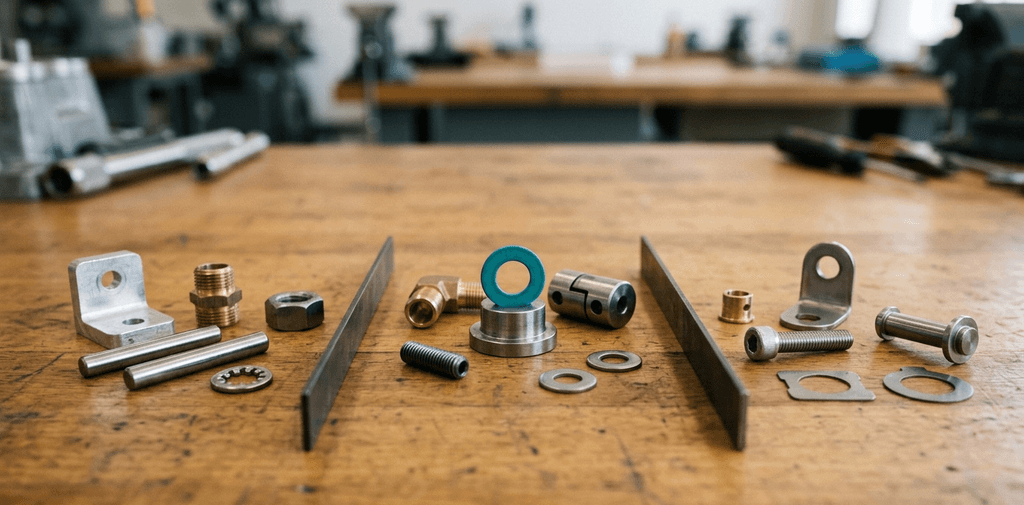
GuideProcurement Software for Contract Manufacturers: Why Generic Tools Don't Fit
Procurement software for contract manufacturers breaks in ways generic tools weren't built to handle, from customer-supplied parts to per-program AVLs, and here's what to actually look for.
 Operations
Procurement Workflow Examples: 5 Real Flows From Manufacturing Teams
Five real procurement workflow examples from manufacturing teams, with the messy parts most diagrams hide.
 Insight
Source-to-Pay vs Procure-to-Pay: The Real Difference (And Why Most Teams Don't Need S2P)
Source-to-pay vs procure-to-pay isn't really a head-to-head, it's a scope question, and most manufacturing teams don't need a full S2P suite.
 Insight
Procurement KPIs That Actually Predict Performance
Most procurement KPIs are vanity metrics that look thorough but don't predict real performance, and here are the seven that actually do.
 Guide
GuideApproved Supplier List: How to Build One, Keep It Current, and Actually Use It
An approved supplier list is the master record of who you're allowed to buy from, by part, by category, and by spend threshold. At most companies it's a stale spreadsheet nobody trusts. Here's how to fix it.
 Insight
3-Way Match: The AP Process That Catches What Procurement Missed
A 3-way match compares the purchase order, the goods receipt, and the supplier invoice before AP pays. When all three agree, the invoice gets paid. When they don't, somebody has to figure out why.
 Insight
Lead Time in Procurement: Why the Number on the BOM Is Lying to You
Lead time in procurement is the elapsed time between placing a purchase order and the goods arriving at your dock, ready to use. The number on the BOM is almost always wrong.
 Insight
What Are Incoterms? The 2020 Rules, Explained for Buyers
Incoterms are the 11 standard ICC trade terms (Incoterms 2020) that define who pays for what and where risk transfers between buyer and seller in international shipping.
 Insight
Bill of Materials: What a BOM Really Tracks (and Why It's Always Slightly Wrong)
A bill of materials (BOM) is the structured list of every part, sub-assembly, and raw material that goes into a finished product. The list itself is easy. Keeping it accurate as engineering and procurement diverge is the actual job.
 Insight
What Is an RFQ?
An RFQ is a formal request for pricing, lead time, and terms on a defined scope. Here's how buyers compare supplier quotes and move to a purchase order.
 Guide
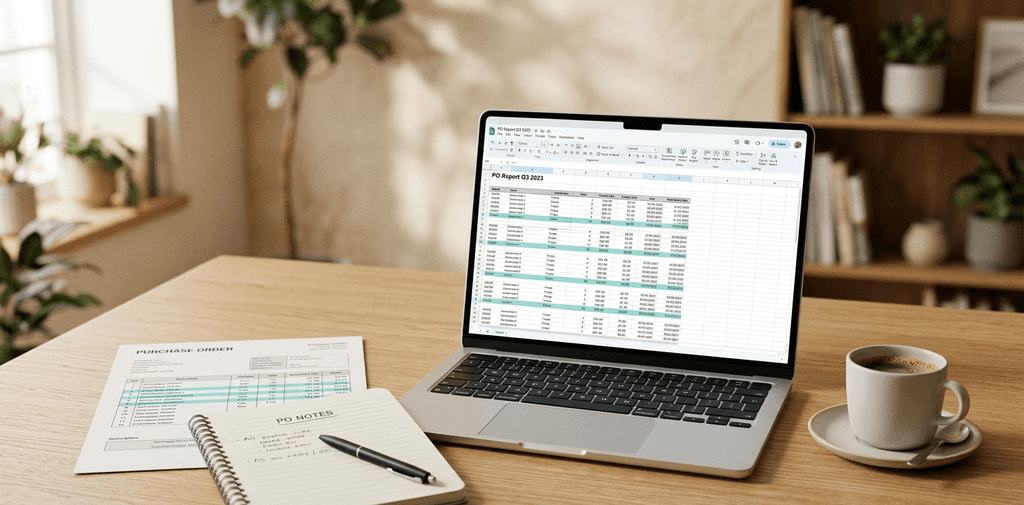
GuideOpen Purchase Orders: What They Are, Why They Pile Up, and How to Manage Them
An open purchase order is any PO that's been issued but not fully received, billed, or closed. At most companies, that list is full of risk nobody is watching. Here's how to read it and what to do about it.
 Operations
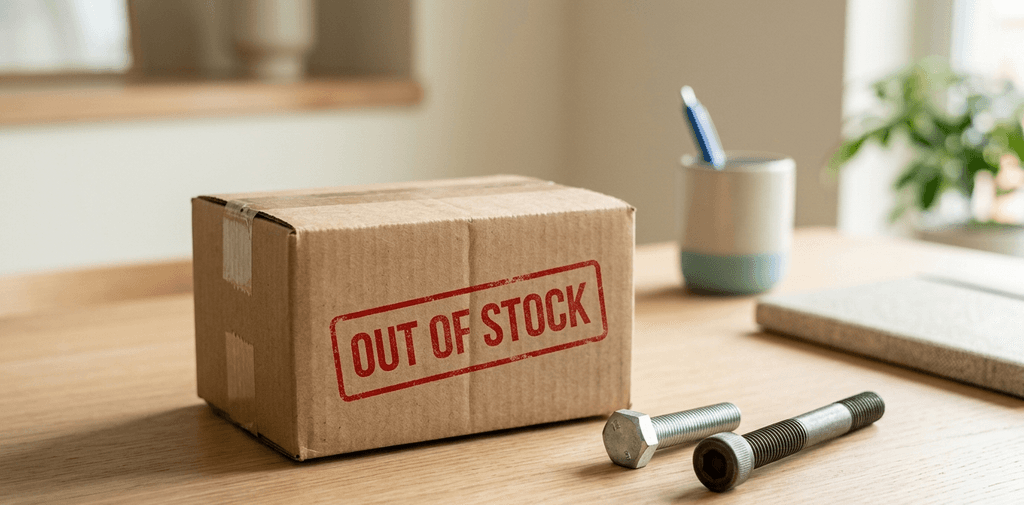
Backorder Management: How to Handle Supplier Substitutions
Backorders and substitutions blow up production schedules because nobody finds out fast enough. Here's how buyers can keep operations informed without 30 status calls a week.
OperationsYour Approved Vendor List Is a Liability. Here's How to Fix Supplier Onboarding.
Most approved vendor lists are a spreadsheet on someone's desktop that hasn't been updated since 2023. Here's why supplier onboarding is broken.
 Guide
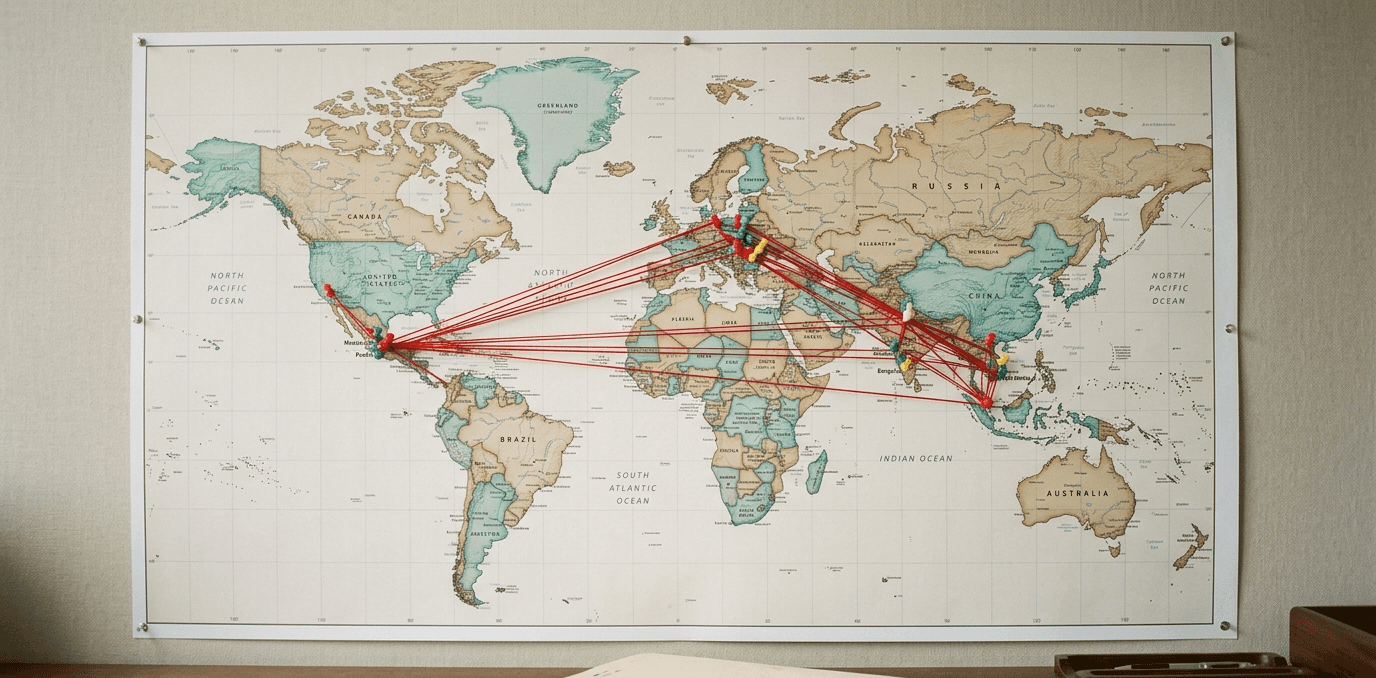
GuideNearshoring Your Supply Base After Tariffs: What Procurement Teams Actually Need to Do
Nearshoring your supply base after tariffs is a 6-month project, not a weekend task. What procurement teams actually need to plan, budget, and execute.
 Guide
GuideHow to Build a Business Case for Procurement Automation (With Real Numbers)
Most procurement automation business cases die in finance review. Build one with numbers your CFO will actually approve, not vague efficiency promises.
 Guide
GuideNetSuite Procurement Automation: What It Handles and Where the Gaps Are
NetSuite handles POs and approvals, but procurement automation in NetSuite stops at the inbox. Here's where the gaps are and how to fill them.
ComparisonBest AI Procurement Tools for Manufacturers (2026)
The AI procurement tools that actually matter for direct procurement in 2026, from legacy enterprise suites to AI-native startups, evaluated by someone who has been on both sides.
GuidePurchase Order Automation for Manufacturers: Where to Start (and What to Skip)
Most PO automation guides target accounts payable teams. Manufacturers managing 400 open POs across 200 suppliers need different answers. Here's where to start and what to skip.
 Automation
What Agentic AI Actually Means for Procurement Teams
Everyone's talking about agentic AI in procurement, but what does it actually do? A no-hype breakdown of real AI agent capabilities for buying teams today.
 Guide
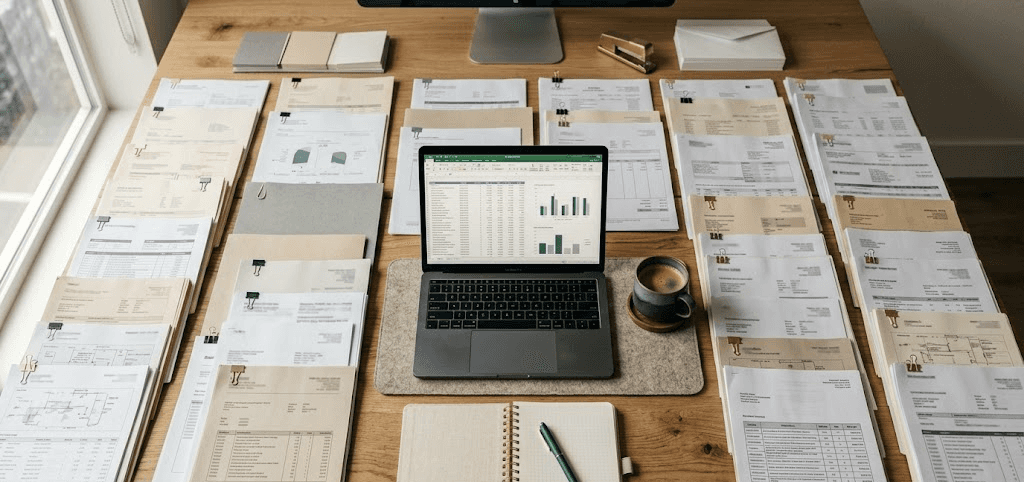
GuideHow Lean Procurement Teams Outperform Ones Ten Times Their Size
Small procurement team, big workload? Lean teams can outperform departments ten times their size with the right tools and tactics.
 Guide
GuideSupplier Performance Scorecards: What to Track, How to Measure, and How to Actually Use Them
Most supplier performance scorecards die in a spreadsheet. Here's what to actually track, how to measure it without losing your mind, and how AI makes scorecards useful for the first time.
 Insight
How Tariffs Are Reshaping Procurement Strategy for Manufacturers in 2026
Tariffs in 2026 aren't a line item to absorb. Here's the procurement strategy playbook manufacturers need to protect margins and diversify sourcing fast.
 Automation
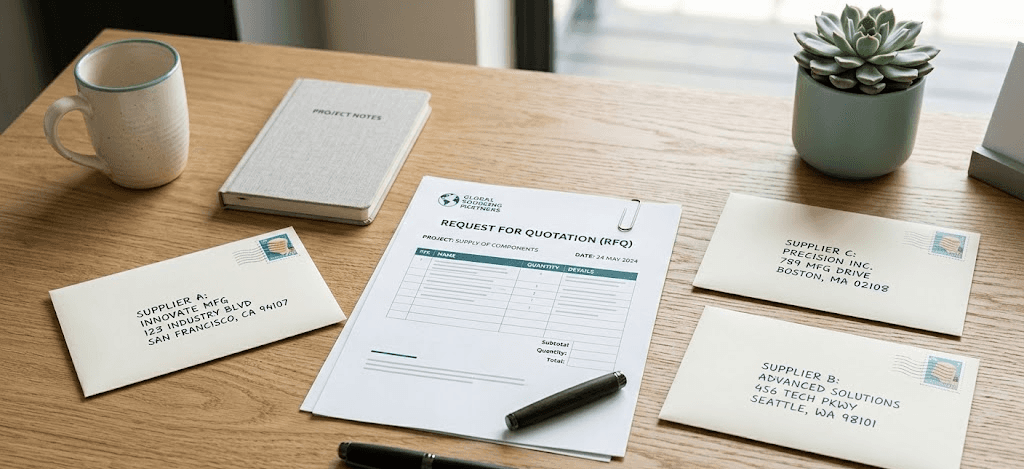
RFQ Automation Software: Every Tool You Find Is Built for the Wrong Side
Most RFQ automation tools are built for suppliers, not buyers. If you're still running sourcing in email and Excel, here's what actually exists.
 Guide
GuideFrom Spreadsheets to Smart Procurement: A Migration Guide for Manufacturers
Still running procurement on spreadsheets? You're not alone. Here's a practical migration guide for manufacturers who've outgrown Excel but don't want an 18-month ERP rollout.
 Operations
Supplier Communication Software: Why Manufacturers Can't Find What They Need
Supplier communication software barely exists as a category, and that's a problem. Here's why manufacturers can't find tools that actually fix scattered email chaos.
AutomationPO Tracking Software for Manufacturers: How to Stop Chasing Suppliers
PO tracking at most manufacturers is just "place and chase" over email. Here's what purchase order tracking software should actually do for your team.
OperationsSupplier Quote Comparison: How to Stop Wasting Days on Copy-Paste
Supplier quote comparison eats days of your team's time because every vendor sends pricing in a different format. The fix isn't another spreadsheet template.
 Insight
How Much Time Does Manual RFQ Management Actually Cost? (A Time Study)
We broke down the real time cost of manual RFQ management across every phase. The numbers are worse than most procurement teams think. Here's the full time study.
 Automation
Stop Chasing Suppliers: How AI Automates PO Follow-Ups
Stop Chasing Suppliers: How AI Automates PO Follow-Ups
 Insight
Your ERP Wasn't Built for Procurement. Here's What Actually Works
Your ERP records procurement decisions after they're made. It doesn't help you make them. Here's where ERP purchasing modules fall apart and what to use instead.
ComparisonLumari vs SourceDay: Full Procurement Cycle or PO Tracking Specialist?
Lumari vs SourceDay: Full Procurement Cycle or PO Tracking Specialist?
 Operations
Procurement Email Management: How to Stop Drowning in Your Inbox
Procurement email management isn't broken because your team is behind. It's broken because no one's built tools for how suppliers actually communicate. Here's what works.
 Insight
Direct vs. Indirect Procurement: Why Most Tools Get It Wrong
Most procurement software was built for indirect spend. If you're sourcing direct materials with custom specs and engineering drawings, here's why it doesn't work.